
Prepare Your Household Without Fear: Scriptural Readiness for the Times Ahead
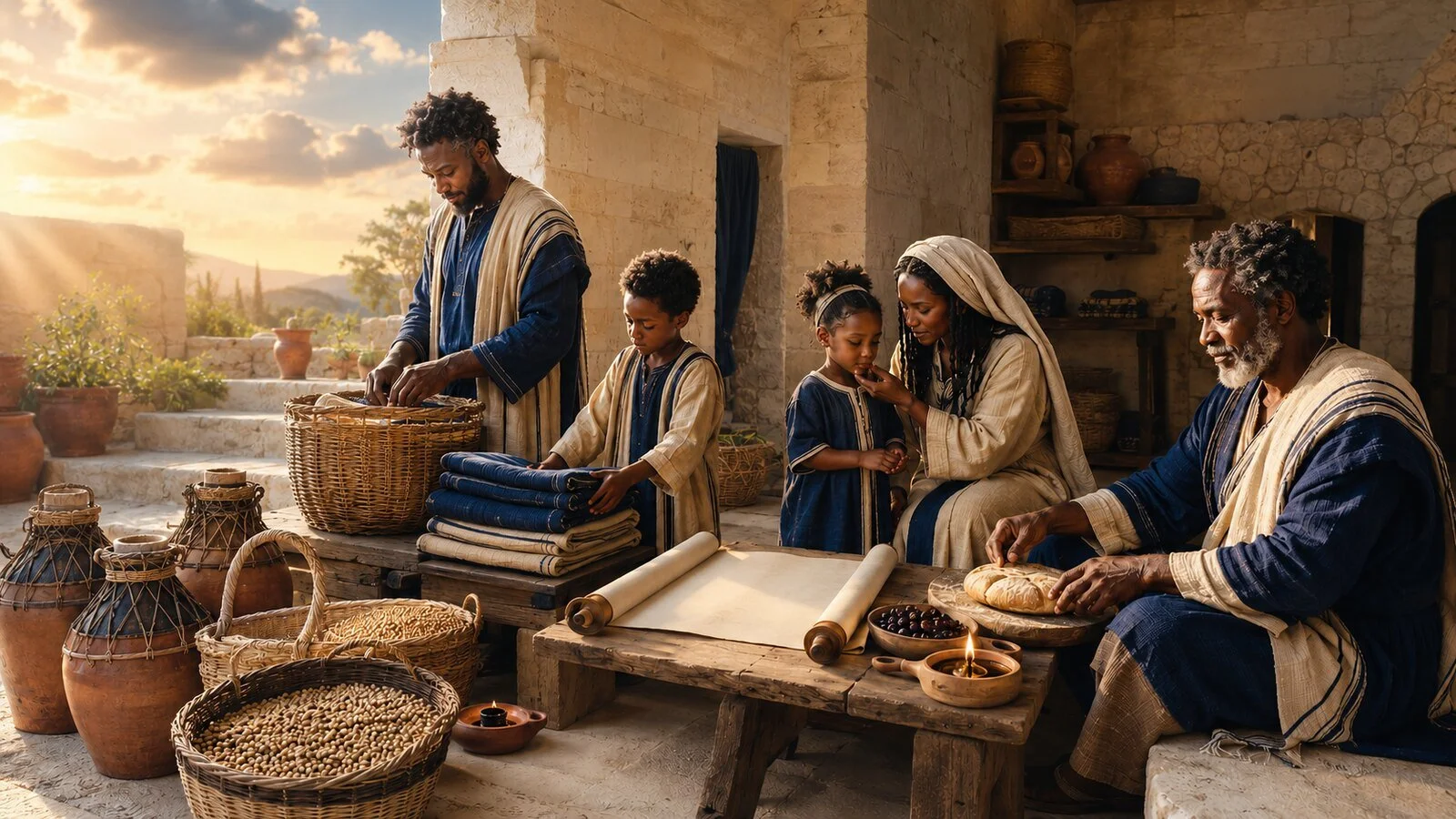
Readiness Is Not Fear
Readiness is not fear. It is faithful stewardship.
Scripture does not teach the household of YAHUAH to live in panic, hoard supplies, or become consumed with predicting every possible crisis. It calls us to watch, discern, prepare wisely, care for those entrusted to us, and remain established in Shalum.
“A prudent man foreseeth the evil, and hideth himself: but the simple pass on, and are punished.” — Mishlei (Proverbs) 22:3
The goal is not to build a life that no hardship can touch. The goal is to become a household that can continue obeying YAHUAH when circumstances become difficult. Preparation cannot replace faith, and faith is not an excuse for disorder, denial, or neglect.
“For YAHUAH hath not given us the spirit of fear; but of power, and of love, and of a sound mind.” — Timotheus Sheniy (2 Timothy) 1:7
A sound mind prepares without panic. It counts the cost, recognizes real needs, sets priorities, and refuses to let fear become its master.
Yahusaph (Joseph): Wisdom During the Years of Plenty
Bere’shiyth (Genesis) 41 records that Pharaoh received a warning through dreams: seven years of abundance would be followed by seven years of severe famine. Through the wisdom YAHUAH gave him, Yahusaph explained the matter and advised that a discerning overseer gather a portion of the harvest during the plentiful years.
“Let them gather all the food of those good years that come, and lay up grain under the hand of Pharaoh, and let them keep food in the cities.” — Bere’shiyth (Genesis) 41:35
Yahusaph did not respond with hysteria. He did not spread confusion or encourage selfishness. He developed an orderly plan while resources were available. His preparation later preserved many lives.
This account teaches several enduring principles:
Pay attention when YAHUAH reveals the need for wisdom and preparation.
Use seasons of abundance responsibly instead of consuming everything immediately.
Create order before pressure exposes disorder.
Prepare to preserve life, not to exalt yourself over people who have less.
Recognize that provision ultimately comes from YAHUAH, even when human planning is involved.
Preparation becomes unrighteous when it is driven by greed, secrecy, exploitation, or the belief that supplies are our deliverer. Yahusaph’s example is not permission to hoard. It is a witness of foresight, disciplined stewardship, and service.
Learn From the Ant
“Go to the ant, thou sluggard; consider her ways, and be wise: which having no guide, overseer, or ruler, provideth her meat in the summer, and gathereth her food in the harvest.” — Mishlei (Proverbs) 6:6–8
The ant prepares during the proper season. It does not wait until the need becomes urgent. This is a rebuke to procrastination, careless consumption, and the assumption that someone else will always rescue us from consequences we could have addressed.
“There is treasure to be desired and oil in the dwelling of the wise; but a foolish man spendeth it up.” — Mishlei (Proverbs) 21:20
Wise preparation begins with how we handle what is already in our hands. Before purchasing more, examine waste, disorganization, unnecessary spending, neglected skills, and supplies that expire because they are never rotated.
Do Not Let Preparation Become an Idol
YAHUSHA Ha’Mashiach taught us not to become consumed with anxious thought about food, drink, and clothing. Mattithyahu (Matthew) 6:25–34 does not forbid responsible work or planning. It forbids anxious devotion to material survival as though YAHUAH does not see our needs.
“But seek ye first the Kingdom of YAHUAH, and his righteousness; and all these things shall be added unto you.” — Mattithyahu (Matthew) 6:33
A pantry can be full while the heart is spiritually empty. A household can own emergency equipment while lacking repentance, unity, discipline, forgiveness, and the ability to hear correction. Material supplies cannot repair a rebellious home.
Prepare what is practical, but examine what you trust. If losing your supplies would cause you to believe all hope is gone, the supplies may have taken a place they were never meant to occupy.
Build the Household on the Rock
YAHUSHA compared the obedient hearer of His words to a wise man who built his house upon a rock. Rain fell, floods came, and winds struck the house, but it did not fall because it had a firm foundation. The disobedient hearer built on sand, and pressure revealed the weakness of the foundation. See Mattithyahu (Matthew) 7:24–27.
Before discussing food, water, or household plans, examine the spiritual foundation:
Is the Word read and obeyed inside the home?
Is palal practiced only during emergencies, or is it part of daily life?
Are hidden sins being protected?
Can family members communicate honestly without manipulation, rage, or contempt?
Are children being taught why the household follows YAHUAH?
Is forgiveness practiced while righteous boundaries are maintained?
Is the household willing to receive correction from the Word?
Debarim (Deuteronomy) 6:6–7 commands YAHUAH’s words to remain in the heart and to be taught diligently to the children throughout daily life. Spiritual readiness is not a last-minute activity. It is a household culture established through continued obedience.
A Practical Household Readiness Plan
Preparation should match the actual needs, health conditions, location, resources, and responsibilities of your household. Begin calmly. Do not enter debt trying to imitate another family’s plan. Build in stages and use what you store.
1. Water
Store a reasonable supply of safe drinking water for every person in the household. Consider additional water for cooking, basic hygiene, infants, elders, animals, and anyone with medical needs. Learn how to store it safely, rotate it, and purify water when necessary.
2. Food
Choose nourishing foods your household already eats and can prepare. Include shelf-stable staples, protein sources, simple meals, and foods appropriate for allergies or health conditions. Label dates, rotate older items forward, and avoid accumulating food that no one knows how to use.
3. Health and First Aid
Maintain a basic first-aid supply, necessary prescriptions, copies of important medical information, and items required by infants, elders, or disabled family members. Learn basic first aid rather than assuming supplies alone create readiness. Medical emergencies still require qualified professional care when it is available.
4. Light, Communication, and Power
Keep dependable lights, appropriate batteries or safe charging options, and a plan for receiving trustworthy information during an outage. Write essential contact numbers on paper. Technology can fail, and important information should not exist only inside a locked phone.
5. Sanitation and Household Care
Prepare basic hygiene, sanitation, cleaning, and waste-management supplies. Disorder and poor sanitation can turn a manageable disruption into a health danger.
6. Documents and Responsibilities
Organize copies of identification, insurance information, medical details, emergency contacts, and other essential household records in a secure and accessible place. Every responsible adult should know where necessary information is kept.
7. Skills
Learn to cook from basic ingredients, preserve food safely, make simple repairs, administer first aid, grow useful plants where possible, manage money, and communicate calmly under pressure. Skills remain valuable even when stored goods are depleted.
8. A Family Plan
Discuss what the household will do during a fire, severe weather event, power outage, evacuation, communication failure, or temporary shortage. Choose meeting points and contacts. Practice age-appropriate plans with children without frightening them.
Prepare in Stages, Not in Panic
A peaceful plan can begin with one week of essentials, then grow toward two weeks and longer as YAHUAH provides. Buy a little at a time. Rotate everything. Review the plan regularly.
Assess: Write down the genuine needs of every household member.
Prioritize: Begin with water, food, health, light, sanitation, and communication.
Budget: Set a reasonable amount without neglecting current obligations.
Build: Add useful items gradually instead of panic-buying.
Learn: Develop the skills needed to use what you have.
Practice: Walk through plans so confusion is reduced during an emergency.
Review: Replace expired items and adjust for changing household needs.
Share: Keep generosity inside the plan.
Preparation Must Include the Vulnerable
Scriptural readiness is not built around the strongest person alone. It remembers children, pregnant women, elders, disabled family members, those taking medication, and neighbors without adequate support.
“Bear ye one another’s burdens, and so fulfil the Torah of YAHUSHA.” — Galatians 6:2
Ask who may need transportation, food, medicine, communication help, or a safe place. Preparation that has no room for mercy has misunderstood the purpose of provision.
Reject Hoarding and Exploitation
There is a difference between storing wisely and hoarding fearfully. Wise storage is measured, usable, and responsible. Hoarding consumes excessively, deprives others, and often grows from the belief that we alone must save ourselves.
Yashayahu (Isaiah) 58:6–10 connects true fasting with loosening wicked burdens, feeding the hungry, bringing the poor into the house, and covering the naked. Acts 2:44–45 and Acts 4:32–35 show believers sharing so that needs were addressed among them.
Do not prepare to boast over the unprepared. Do not exploit shortages. Do not use fear to sell, manipulate, or control. Ask YAHUAH how your household can remain generous while also practicing responsible stewardship.
Watch, Palal, and Remain Sober
YAHUSHA warned His followers not to let their hearts become weighed down with excess, drunkenness, and the cares of this life. He commanded them to watch and palal. See Luqas (Luke) 21:34–36.
Watching is not endless consumption of alarming content. Constant exposure to rumors, predictions, and frightening reports can produce anxiety without producing wisdom. Test information. Verify what can be verified. Refuse conspiracy thinking. Do not make major household decisions because a stranger online speaks with confidence.
Palal brings the plan before YAHUAH. Fasting helps expose fear, appetite, unbelief, and dependence on comfort. The Ruach Ha’Qudash gives discernment, but His leading will not contradict the written Word.
A Supporting Witness From the Apocrypha
The following passage comes from Sirach, an Apocryphal work. It is included as supporting wisdom, not as the foundation of this teaching. The Canon has already established the principles of foresight, stewardship, trust, and mercy.
“The chief thing for life is water, and bread, and clothing, and an house to cover shame.” — Sirach 29:21
This witness keeps preparation grounded in essentials. Begin with what preserves life and protects the household. Do not allow fear-driven buying to distract from water, food, clothing, shelter, health, and orderly care.
A Cautious Witness From the Pseudepigrapha
Jubilees is a Pseudepigraphal work and must be weighed cautiously against the Canon. It is not being used to establish doctrine.
Jubilees 39–40 retells events surrounding Yahusaph’s affliction, elevation, and responsibility in Egypt. Its usefulness here is limited to an echo of the account already established in Bere’shiyth (Genesis) 39–41: YAHUAH can preserve, instruct, and position a faithful servant to act wisely during coming hardship.
The Canon remains the authority. This extra-canonical witness is included only because it agrees with the Scriptural foundation already presented.
Household Self-Examination
Set aside time with the adults responsible for your household. Ask the Ruach Ha’Qudash to expose fear, denial, waste, selfishness, and disorder.
Spiritual Foundation
Are we living in tashubah and obedience, or merely discussing preparedness?
Is our confidence in YAHUAH or in what we can store?
Do we have a regular practice of Scripture, palal, and fasting?
Are hidden sin, bitterness, or division weakening the household?
Practical Stewardship
What would become urgent if power, water, transportation, or income were interrupted?
Do we understand the medical, dietary, and mobility needs of every household member?
Are our important records organized?
What are we wasting that could be managed more wisely?
Which useful skill should we learn next?
Community and Mercy
Who around us may need help?
Have we planned only for ourselves?
Can we share without putting our own dependents at unnecessary risk?
Are we connected to trustworthy people who value truth, responsibility, and real fellowship?
Fear and Discernment
Is our plan based on verified needs or online fear?
Are we compulsively consuming alarming content?
Have we made purchases or decisions without palal, counsel, and clear judgment?
Can we discuss uncertainty without frightening the children?
A Thirty-Day Beginning
Week One: Complete the household assessment. Organize contact information, health needs, documents, and an emergency plan.
Week Two: Establish a basic supply of water, food, first aid, light, sanitation, and necessary household items. Use a written inventory.
Week Three: Learn or practice one essential skill. Review safety plans with the household in a calm, age-appropriate way.
Week Four: Examine the spiritual atmosphere of the home. Establish a consistent time for Scripture and palal, address unresolved conflict, identify someone who may need support, and review the plan without fear.
At the end of thirty days, continue gradually. Preparedness is a pattern of stewardship, not a single shopping trip.
Closing Exhortation: Prepare in Peace, Stand in Truth
Do not prepare because fear has mastered your heart. Prepare because wisdom listens, love accepts responsibility, and obedience establishes order.
Store what is useful. Learn what is practical. Remove waste. Teach the children. Care for the vulnerable. Build trustworthy community. Keep your hands open to those in need. Most importantly, seek YAHUAH through YAHUSHA Ha’Mashiach and remain attentive to the Ruach Ha’Qudash.
The future may contain difficulties we cannot predict, but uncertainty does not remove our calling. We are still commanded to walk in truth, practice righteousness, love one another, and remain faithful.
A prepared household is not one that believes it can control every outcome. It is one that has established enough spiritual and practical order to keep obeying when pressure comes.
Closing Palal
YAHUAH, our Aluah, we come before You in humility. Search our hearts and expose every place where fear, pride, denial, waste, greed, or confusion has directed our decisions.
Forgive us for careless stewardship and for trusting in possessions more than in You. Lead us into tashubah wherever our households are spiritually or practically out of order.
Give us wisdom to prepare without panic, discipline to use seasons of provision responsibly, and discernment to separate truth from rumor. Teach us to hear Your instruction and obey without delay.
Strengthen the heads of households to lead with humility, courage, patience, and truth. Give families unity. Protect children from fear. Help us remember elders, disabled people, the poor, and every vulnerable person You place within our reach.
Show us what to store, what to repair, what to learn, what to release, and where we must establish better order. Keep us from hoarding, exploiting need, or making material preparation an idol.
Ruach Ha’Qudash, govern our thoughts and fill our homes with Shalum. Teach us to watch without panic, fast without performance, give without pride, and palal without empty repetition.
Establish our households upon the words of YAHUSHA Ha’Mashiach. Whether the season brings abundance or difficulty, let us remain obedient, generous, sober, and steadfast.
We place our lives, families, provisions, plans, and future in Your hands. May every act of preparation serve life, righteousness, mercy, and the work of the ministry.
We ask these things in the name and authority of YAHUSHA Ha’Mashiach, Aman.
